Posts

Gas Cylinders Manufacturers in India

Image
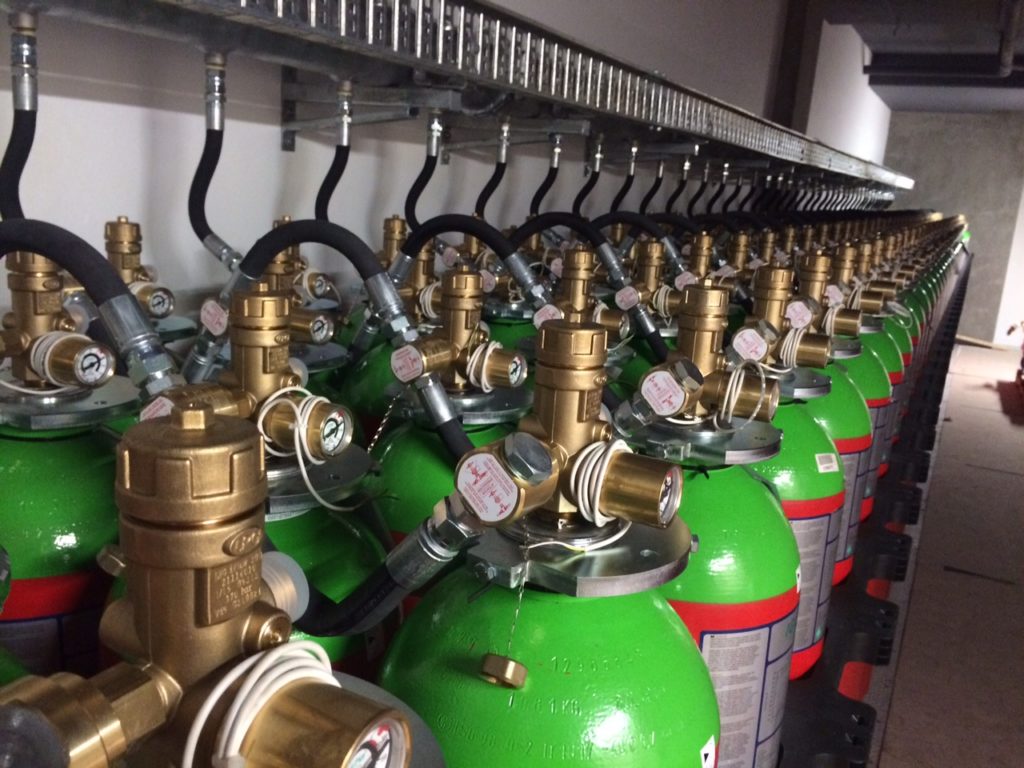
  ​ MKC Group   serves  industrial gas cylinders worldwide . The range of manufacturing that we handle is comprehensive and has various applications that play a role in developing types of gas cylinders, such as follows: High-Pressure Seamless Industrial Gas Cylinders High-Pressure Seamless CNG Cylinders High-Pressure CNG Cylinder Cascades We customize all the above types of gas cylinders and deliver to you within the specification ranges and added features of your requirements. ​ A: Gas Cylinders Specifications We have a wide range of specifications and added requirements charts from which our clients can choose. Our specifications differ with every type of cylinder and are described as follows: High-Pressure Seamless Industrial Gas Cylinders Ø - 108 mm to 356 mm Capacity - 3 Litres to 160 Litres Working Pressure - 150 kgs/cm2 to 400 kgs/cm2 High-Pressure Seamless CNG Cylinders Ø - 232 mm to 406 mm Capacity - 22 Litres to 200 Litres Working Pressure - 200 kgs/cm2 High-Pr...
CEM Regulations For Special Gas Cylinders Suppliers

Image
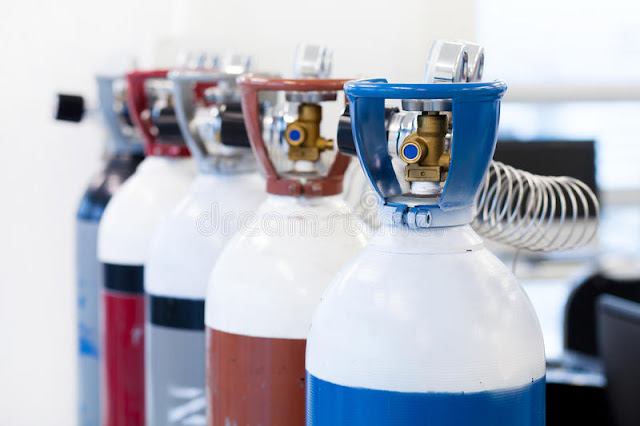
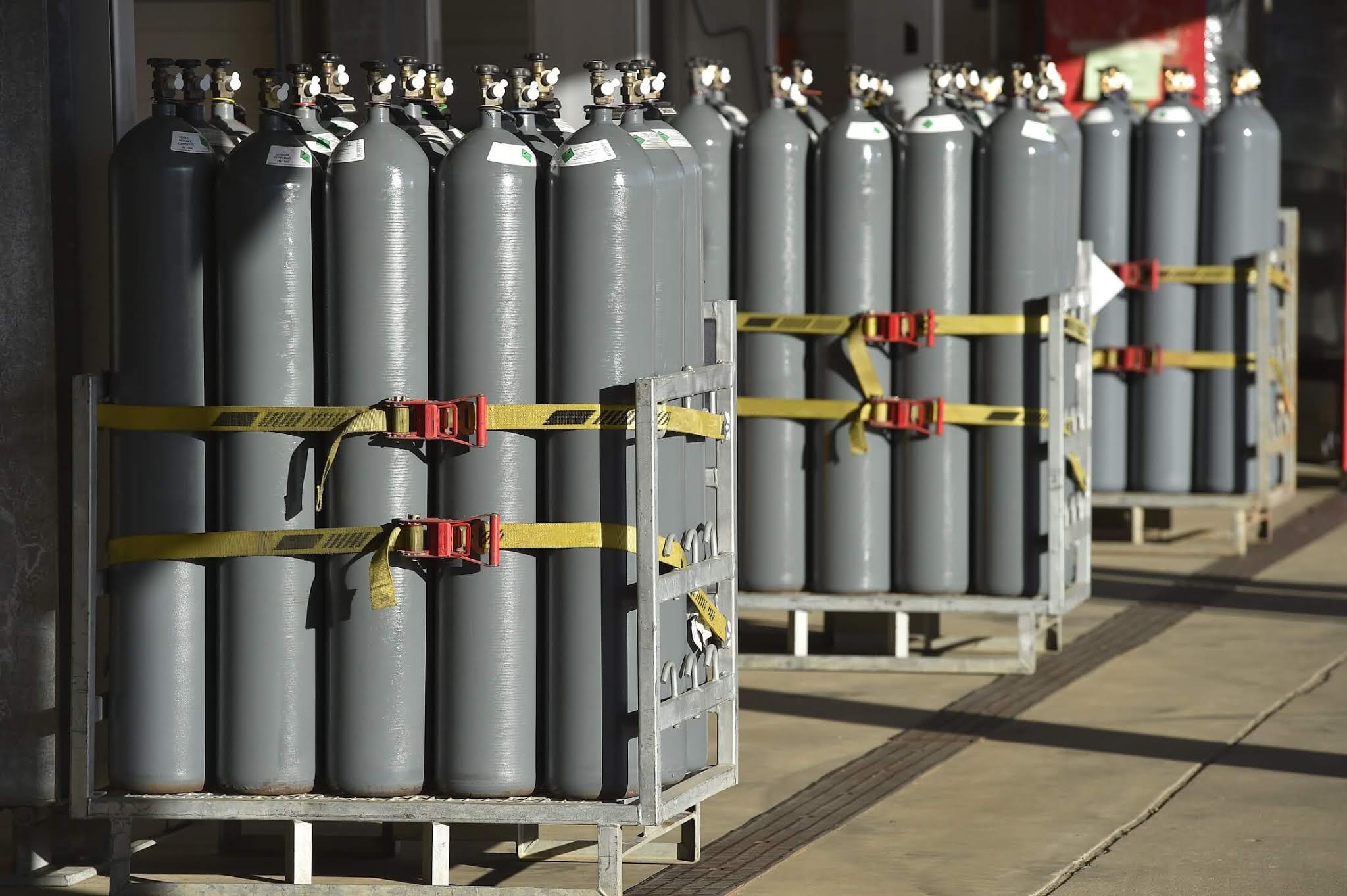
CEM stands for Continuous Emission Monitoring, and is an important part of industrial work across the country for Gas Cylinders Suppliers . Industrial facilities emit massive amounts of exhaust into the atmosphere, and the Environmental Protection Agency monitors the air passing through the smoke stacks. Therefore, CEM standards help companies keep their facilities running well and preserve the natural environment. Here are Gas Cylinders Suppliers a brief summary with the CEM specific and regulations Gas Cylinders Suppliers Zero Gas Utilize: Industrial facilities use EPA protocol gases to calibrate air pollution monitors, ensuring consistent analysis of exhaust. However, these gases must also be zero gas in order to set the monitor at the proper level prior to daily use. A void gas is a pure gas or fine mixed gas that a detector can read. Since technicians know the contents of a void gas cylinder, they can tell whether the monitors are accurate in their readings. A Quick Exampl...

General Precautions for Handling Industrial Gas Cylinders

Image
Compressed gas cylinders can be extremely dangerous if misused or misused. Industrial Gas Cylinders can present a variety of hazards due to their pressure and/or contents. Depending on the particular gas, there is the potential for both mechanical and chemical hazards as well as exposure. Probably used gases: Flammable or combustible Corrosive Explosives Poisonous Inactive Acidic Reactive Or a combination of threats Without proper use and care, gas cylinders can explode, killing workers and destroying equipment. Cylinder flying projectiles can also occur if the cylinder valve is damaged or broken. Regulators can become bullets that tear workers apart if safety precautions are not taken. Careful procedures are necessary for handling the various compressed gases, cylinders, regulators or valves used to control gas flow, and the piping used to limit gases during flow. Industrial Gas Cylinders Safety Guidelines A. Identity "Always Read the Label" The...

Advance High Pressure Gas Cylinders Technology

Image
Gases are used to use different gases at High Pressure Gas Cylinders and can be dangerous if not properly trained. Knowing how to release the gas from the tank is also important because rapid release can cause the gas to explode or actually turn into a rocket potentially causing serious injuries or serious deaths. As you can see, there are many important things to play in buying the right fuel and using it. That’s why in this blog post, we’re going to cover some of the basic cylinders and safety improvements over the years that have been put in place to better protect work-communication injuries. How High Pressure Gas Cylinders Are Built In order to understand the importance of High Pressure Gas Cylinders , a history of how they are made will give you an understanding of the complexity and all the changes that go into gas storage & technology. The whole process starts by dipping hot metal discs into a mixture of chemicals that will help the metal become flexible. They are then ext...

Type 4 Composite CNG Cylinders Manufacturers: Major Requirements

Image
  Cost Reduction Through Intelligent Material Selection . Plastic liners offer the opportunity for a substantial reduction in cost from Type 3 aluminum-lined composite cylinders. Common plastic liners of HDPE, HDPE, and polyamide (nylon) are much less expensive than seamless aluminum or steel liners. Carbon fiber laminates, the most popular choice for strength and weight, account for about 65% of the total construction cost. Reinforcement method and intelligent strategies for fiber selection allow the cost of CNG Cylinders Manufacturers to be reduced. Nice design helps in reducing the cost and weight of CNG tanks overall. Biggest Difficulty: Attaching The Metal Neck To The Plastic Liner. Metal neck and end pieces are used to counteract the excessive force of internal pressure against the valve. The hardest part of a Type 4 cylinder is creating a perfect seal to hold the gases under high pressure, extreme temperatures and demanding service conditions. Lincoln, Ullit and a few o...

Taking Care of CNG Cylinders in Industrial Spaces

Image
Compressed Natural Gas or CNG cylinders are nothing like regular fuel tanks. They are pressurized because they make it important for their users to maintain, replace, and discard them with utmost caution. Improper care can potentially lead to safety hazards, which are very avoidable if the right steps are taken. Knowing the cylinder's useful life and following proper replacement guidelines can also make a world of difference. In this guide, we address a few questions that can help you take better care of your CNG cylinder. How to Determine the Useful Life of your CNG Cylinder? The expiration date listed on the label is a tell-tale sign of its useful life. CNG Cylinder Manufacturers are often mandated to include the 'do not use after the date on their cylinders. For an average CNG cylinder, the useful life is from 15 to 20 years. Provided there is no corrosion or damage; the cylinders can be used safely until their marked expiration date. Damages such as impacts and abras...

How to Safely Handle Industrial Gas Cylinders

Image
Compressed gases in cylinders are dangerous goods and should only be handled by employees and contractors trained in correct handling techniques. This blog looks at Industrial Gas Cylinders ; how they are used in the workplace is a risk to health and safety, and the proper way to handle them. Industrial Gas Cylinders in the Workplace Compressed Industrial Gas Cylinders are used in homes and workplaces all over the world, and it can be said that the unique chemical properties of gases and other hazardous chemicals make our comfortable 21st century life possible. Industrial applications of compressed gases include: Fuel gases such as LPG electric forklifts in warehouses, gas heaters in restaurants and welding torches in workshops; Poisonous gases like chlorine purify water treatment plants and swimming pools Pure oxygen gas is used for yeast activation and preservation in wineries, industrial welding and medical treatments Corrosive gases such as ammonia are used for cooling col...

Types of Pressure Vessels in High Pressure Gas Cylinders

Image
When a container is pressurized it is pressurized against the walls of the vessels. The pressure on the surface is always normal, regardless of size in High Pressure Gas Cylinders . There is a container that is a pressure different from atmospheric pressure. There are several types of them; Thin walls, thick walls, strong tanks, transportable containers, propane bottles and High Pressure Gas Cylinders . A container that holds liquid, vapor, or gas at different pressures and then atmospheric pressure at the same altitude. Generally, a thin-walled is considered if its radius is more than 5 times its wall thickness. Under this condition, the tension in the wall can be considered uniform. Thin walls are in fairly common use. They have two distinct types; cylindrical pressure vessels and spherical pressure vessels. Under this condition, the tension in the wall can be considered uniform. The stress in a vessel with thin walls varies from the minimum value on the outer surface of the vessel t...

Application of High Pressure Gas Cylinders

Image
Cylinder gas is a gas that is filled under very high pressure. The gas is filled into a cylinder, which is either a pressure vessel or a tank that can hold the gas without any leakage and without any wear and tear. Cylinder gas has found various applications in the industry as well as for domestic purposes. High Pressure Gas Cylinders: Applications Let us start with applications for domestic purposes. Cylinder gas is used very extensively in homes. Typically, LPG or liquefied petroleum gas, propane or butane is pumped into a cylinder. These gases help in burning the stove or other appliances on which cooking, boiling and other activities are carried out. Next, High Pressure Gas Cylinders is used on a much broader scale in the medical industry. Oxygen is injected into the cylinder, which is then supplied to patients in need of oxygen in hospitals. Sometimes, gases other than oxygen are also transported into cylinders and kept in laboratories of medical institutions where medical ...

Industrial Gas Cylinders Technological Advances

Image
  A wide range of high pressure Industrial Gas Cylinders which are used for a wide range of purposes, which is acclaimed in the market for high pressure supply. They are developed to international standards and meet all the criteria to meet the satisfaction level of our customers. Cylinder for compressed industrial gas. Oxygen, nitrogen, hydrogen, argon, air, carbon dioxide, nitrogenous oxide, etc. These cylinders are made from the best quality raw material under the guidance of our expert professionals to provide the best products with optimum quality to our customer. The system provides the customer with the ultimate safety device from all hazardous gases and chemicals. These are offered at key industry values. How To Safely Store Acetylene Industrial Gas Cylinders? There are various types of compressed gases like helium, propane, acetylene, nitrogen, oxygen, argon, are used in various industries. By filling in cylinders, these compressed gases can prevent chemical and me...

Safety Inspection Compressed Gas Cylinder by Gas Cylinders Manufacturers

Image
  Compressed gas cylinders are one of the potential hazards in a chemical Gas Cylinders Manufacturers plant. Examples of potential hazards associated with a compressed gas cylinder are high pressure gases, hazardous gases, falling objects, fires, explosions, and gas leaks. In general, cylinders are used to store a variety of gases such as ethylene, hydrogen, carbon monoxide, acetylene, butane, propane, oxygen, nitrogen, and methane. Those gases are flammable and non-flammable gases. According to the US Department of Labor, Bureau of Labor Statistics, there were 5,160 injuries and 17 deaths in 2004 due to pressurized containers. If you are using a compressed gas cylinder in your workplace, you must ensure its safety by conducting regular inspections by Gas Cylinders Manufacturers in India . Otherwise, there will be injury, death and property damage. This article has been written to give a compressed gas cylinder safety inspection checklist, which can be used as a note to co...